Inżynier budownictwa
  • Premium
  • Technika
    • Technologie i materiały
    • Izolacje
    • Instalacje
    • Konstrukcje
    • Stolarka budowlana
    • Klimatyzacja i wentylacja
    • Narzędzia i maszyny
    • Programy
  • Biznes
    • Finanse
    • Bezpieczeństwo
    • Raporty
  • Inwestycje
    • Mieszkaniowe
    • Publiczne
    • Komercyjne
  • Prawo
  • Wydarzenia
  • Kariera
    • Dam pracę
    • Szukam pracy
    • Nawiążę współpracę
  • Nauka
  • Podcasty

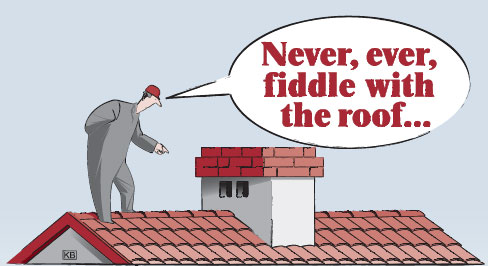
A Sound Roof

The roof is one of the most important parts of the house as it protects people and property, contributes to its overall look, and represents a significant percent of the building’s value. Therefore, the roof should be built from a durable, weather-resistant  and aesthetic material – these are qualities most frequently associated with roof tiles.

A Sound Roof

The roof is one of the most important parts of the house as it protects people and property, contributes to its overall look, and represents a significant percent of the building’s value. Therefore, the roof should be built from a durable, weather-resistant  and aesthetic material – these are qualities most frequently associated with roof tiles.

Ceramic tiles

Ceramic tiles are widely used in the construction industry as both fl oor and wall coverings. Owing to their properties, ceramic tiles serve both as an aesthetic design component and a practical finishing building material. Over the years, ceramic tiles have become and indispensable feature of houses, spas and sports facilities.
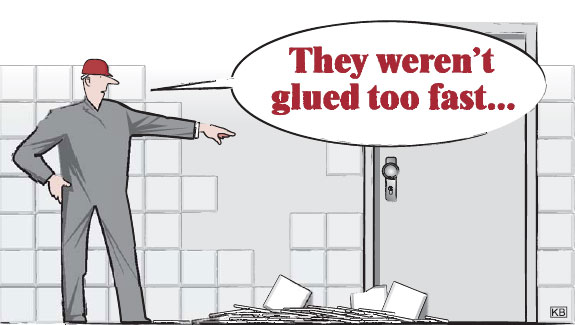
Ceramic tiles

Ceramic tiles are widely used in the construction industry as both fl oor and wall coverings. Owing to their properties, ceramic tiles serve both as an aesthetic design component and a practical finishing building material. Over the years, ceramic tiles have become and indispensable feature of houses, spas and sports facilities.

What Insulation?

The most important reason for insulating buildings is the considerable lowering of heating costs. Also, the walls are protected against dampness, freezing and mould; the insulation layer increases the building’s durability. The question remains – what type of insulation?
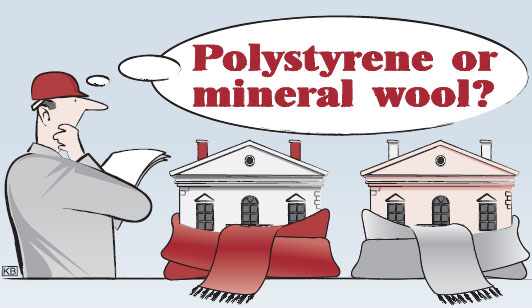
What Insulation?

The most important reason for insulating buildings is the considerable lowering of heating costs. Also, the walls are protected against dampness, freezing and mould; the insulation layer increases the building’s durability. The question remains – what type of insulation?

Construction Fairs

Several important construction fairs have been held in Polish cities in recent months, and we are still looking forward to the world’s greatest event of this kind – the Munich Bauma fair. To make the most of international fairs, it is worth revising some essential vocabulary and expressions.
Construction Fairs

Several important construction fairs have been held in Polish cities in recent months, and we are still looking forward to the world’s greatest event of this kind – the Munich Bauma fair. To make the most of international fairs, it is worth revising some essential vocabulary and expressions.

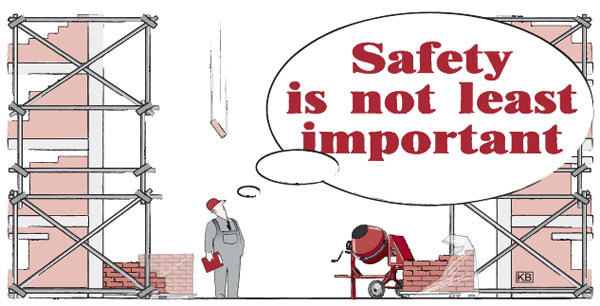
Occupational Health and Safety

Construction sites can be very hazardous indeed as they are areas in which numerous people are working while machinery, tools and building materials are being moved around. To avoid accidents and minimise risks, the place must be carefully managed under health and safety regulations.

Occupational Health and Safety

Construction sites can be very hazardous indeed as they are areas in which numerous people are working while machinery, tools and building materials are being moved around. To avoid accidents and minimise risks, the place must be carefully managed under health and safety regulations.

    • < poprzednia
    • 1
    • 2
    • 3
    • …
    • 17
    • 18
    • 19
    • następna >

AKTUALNOŚCI

AI na placu budowy: bezpieczeństwo pracy i monitoring w czasie rzeczywistym
List otwarty PIIB i IARP w sprawie warunków technicznych
Przemieszczenia poziome prefabrykowanych pali w podłożu organicznym – studium przypadku
Roboty dodatkowe przy ryczałcie – czy trzeba je wykonać bez aneksu do umowy?
Czy zamawiający może poprawić cenę w ofercie?
Władztwo planistyczne gminy to nie władza absolutna
Nowe wyzwania dla uczestników procesu budowlanego w świetle dyrektywy NIS 2
Obszary przyspieszonego rozwoju OZE: weszło w życie nowe rozporządzenie

więcej »

PODCASTY

  • Negocjacje na budowie. Jakich błędów unikać?
  • Miks energii, czyli jak połączyć wiatr i słońce w jednej inwestycji
  • Co decyduje o tym, że nowy materiał budowlany będzie hitem sprzedaży?
  • Prawo nie pisze się samo. Podsumowanie kadencji PIIB 2022–2026
  • Beton wielkich obciążeń, czyli jak buduje się pasy startowe?
  • Jak innowacje zmieniają plac budowy?
  • Pracujesz, żeby żyć, czy żyjesz, żeby pracować?
  • Czy grozi Ci wypalenie zawodowe?
  • Co jest pułapką w ofertowaniu publicznym?
  • Jak nowy Eurokod 7 zmieni projektowanie?

więcej »

W aktualnym wydaniu

„Inżynier Budownictwa” 9/2026

„Inżynier Budownictwa” 9/2026

  • Prawo budowlane – co się zmienia od września 2026 r.
  • Prefabrykacja betonowa w budownictwie energetycznym
  • AI na placu budowy
  • Innowacyjne połączenie ścian nienośnych z wykorzystaniem siatek
  • Obiekty tymczasowe dla wojska – mobilne magazyny i wsparcie logistyczne

Polecamy

  • Zmiana pozwolenia na budowę po wejściu w życie miejscowego planu zagospodarowania przestrzennego
  • Stan surowy zamknięty na jesieni. Czy dom powinien przezimować?
  • Trzy kierunki rozwoju branży. Nadchodzi czas Budownictwa 4.0 i obiegu zamkniętego
  • Schron nie musi być kosztem, jeśli zmienimy reguły
  • Wycena sieci wodociągowych i kanalizacyjnych
  • Brak planu ogólnego gminy – co teraz? 3 scenariusze
  • Duża nowelizacja Prawa budowlanego – co się zmienia od września 2026 roku
  • Trzy czwarte firm budowlanych zadowolonych ze swojej sytuacji finansowej. Zerowe ryzyko bezrobocia dla inżynierów budownictwa
  • Dlaczego oferty na nadzór inwestorski są nieporównywalne?

Język angielski

  • Lifts
  • Roof Windows and Hatches
  • Construction Chemicals for Concrete

więcej »

Język niemiecki

  • Die Kräne und Aufzüge
  • Der Brückenbau
  • Die erneuerbaren Energien

więcej »

Newsletter

Inżynier budownictwa

Znajdź nas

Zobacz również

  • Polska Izba Inżynierów Budownictwa ->
  • Kreator Budownictwa
    Roku ->

Wydawnictwo Polskiej Izby
Inżynierów Budownictwa Sp. z o.o.
ul. Kujawska 1, 00-793 Warszawa
tel. 22 255 33 40
KRS 0000192270 (Sąd Rejonowy dla m.st. Warszawy,
XII Wydział Gospodarczy KRS)
NIP 525-22-90-483
Kapitał zakładowy 150 000 zł

  • O nas
  • Prenumerata
  • Reklama
  • Kontakt
  • Polityka prywatności
  • Regulamin konkursów

Tagi

  • budownictwo mieszkaniowe
  • Polska Izba Inżynierów Budownictwa
  • droga
  • konferencja
  • budownictwo kolejowe
  • prawo
  • budynek biurowy
  • proces inwestycyjny
  • budynek użyteczności publicznej
  • budownictwo przemysłowe

© Copyright by Wydawnictwo Polskiej Izby Inżynierów Budownictwa Sp. z o.o. 2006-2026

Publikowane artykuły prezentują stanowiska, opinie i poglądy ich Autorów | Web Support: ppcefekt.pl

  • Premium
  • Technika
    • Technologie i materiały
    • Izolacje
    • Instalacje
    • Konstrukcje
    • Stolarka budowlana
    • Klimatyzacja i wentylacja
    • Narzędzia i maszyny
    • Programy
  • Biznes
    • Finanse
    • Bezpieczeństwo
    • Raporty
  • Inwestycje
    • Mieszkaniowe
    • Publiczne
    • Komercyjne
  • Prawo
  • Wydarzenia
  • Kariera
    • Dam pracę
    • Szukam pracy
    • Nawiążę współpracę
  • Nauka
  • Podcasty